Mapping User Pathways Through Promotional Offerings in Mobile Live Dealer Environments
Leon Schwarz · May 27, 2026
Mapping User Pathways Through Promotional Offerings in Mobile Live Dealer Environments
Platforms that host mobile live dealer games track how players move from initial registration through various promotional layers before settling into blackjack, baccarat or poker tables. These pathways emerge from data collected on device interactions, bonus redemptions and session durations. Analysts map each step to identify friction points where users drop off or accelerate toward live tables. In May 2026 several operators released aggregated figures showing that structured promotional sequences increased average session length by measurable margins across iOS and Android environments.
Defining User Pathways in Live Dealer Contexts
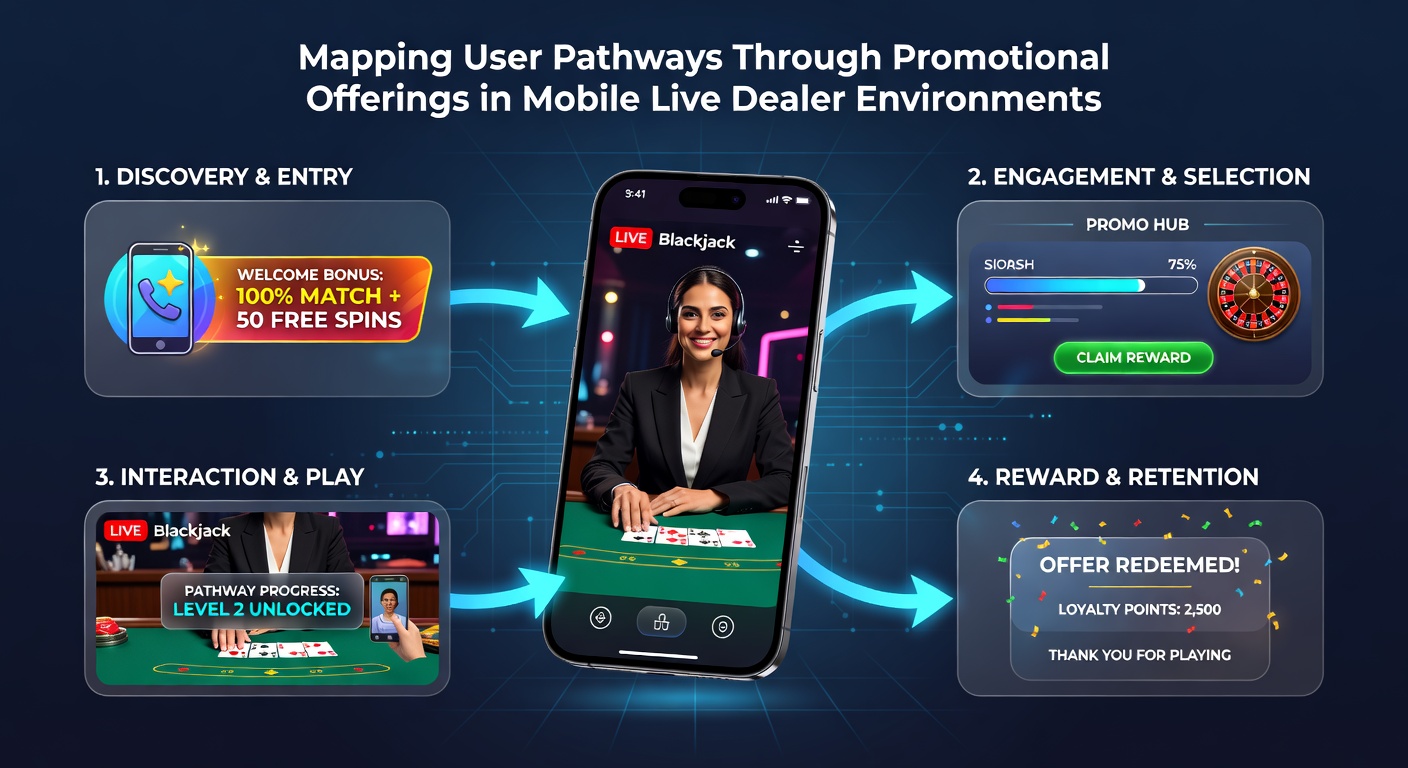
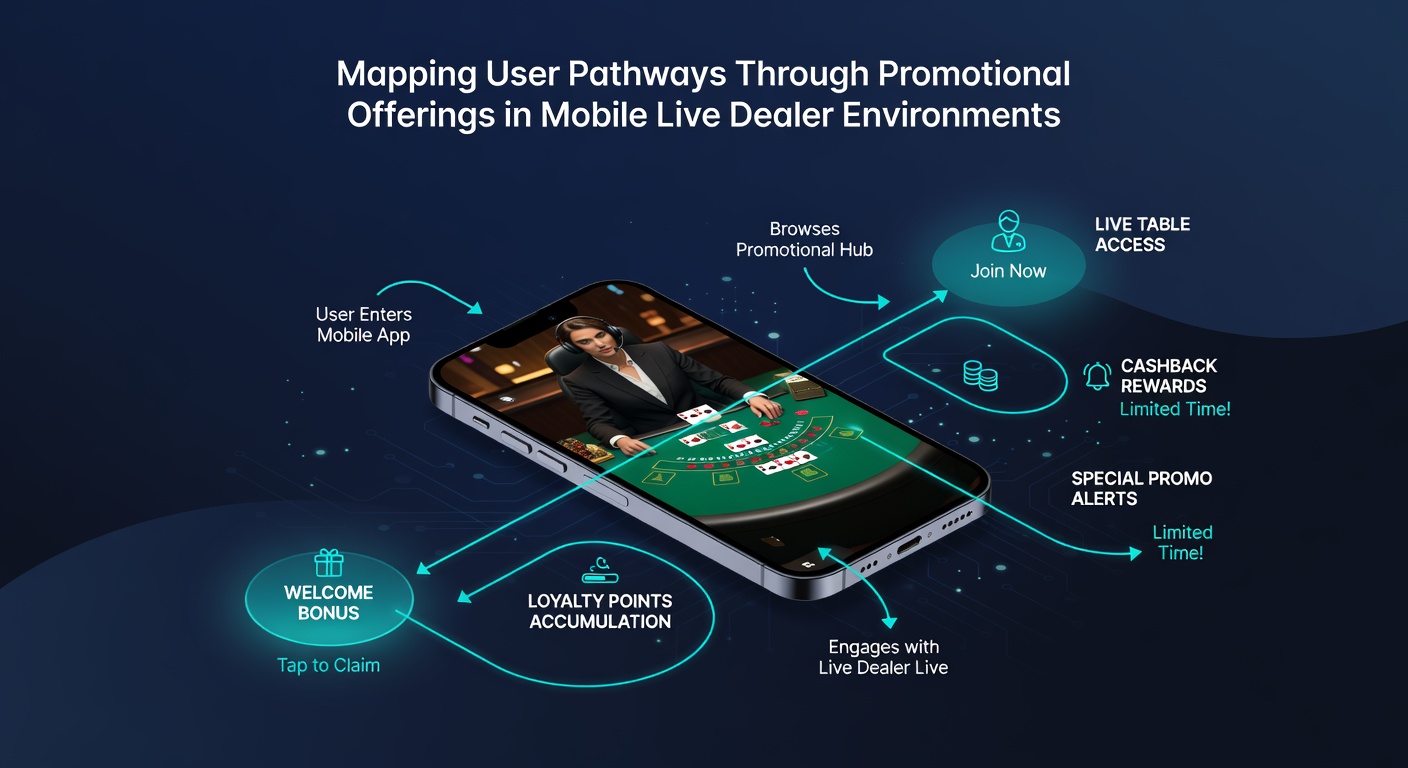
Researchers describe a user pathway as the sequence of actions a player takes after encountering a promotional offer inside a mobile application. This sequence begins with push notifications or in-app banners that highlight deposit matches or free-hand credits for live dealer rooms. Players then proceed through verification screens, bonus claim buttons and game lobbies where live streams appear. Data from platform telemetry reveals that pathways often branch when users receive targeted reload bonuses after their first live baccarat round or when they unlock tournament entries tied to accumulated rake in poker sessions.
Operators employ heat-mapping tools to visualize these routes. The tools record taps on promotional carousels, time spent reviewing terms and the exact moment a player selects a live dealer table. Observers note that pathways shorten when promotional offers appear directly on the live stream overlay rather than requiring navigation back to a separate promotions tab.
Promotional Layers adn Their Placement
Promotional offerings appear at distinct stages. Welcome packages greet new accounts with matched deposits that unlock after a minimum live dealer wager. Mid-session reloads activate once players reach a set number of hands or when table limits increase during peak hours. Loyalty tiers grant cashback percentages that apply automatically to baccarat or blackjack play. Each layer contains conditions such as wagering multiples or game-type restrictions that shape how far a user travels before cashing out or continuing.
According to figures published by the American Gaming Association, mobile live dealer traffic accounted for a growing share of total online handle in regulated markets during early 2026. Platforms adjust promotional timing based on these statistics so that offers coincide with peak viewing hours for live streams.
Mobile Interface Influences on Pathway Flow
Screen size and touch gestures affect how users interact with promotions. Smaller viewports require condensed banners that link straight to the claim function, reducing steps between offer and table entry. Push notification payloads carry deep links that open the app directly at a live dealer lobby pre-filtered for the promoted game. Studies conducted by the University of Nevada, Las Vegas International Gaming Institute examined swipe patterns and found that one-tap entry points increased progression rates from bonus claim to first live hand.
Network latency also shapes pathways. When promotional videos or stream previews buffer, some users exit before reaching the table. Operators counter this by serving static previews alongside offers, keeping the pathway intact even on variable connections. Those who studied session logs report that pathways remain intact longer when the app caches live dealer interfaces in advance of bonus activation.
Data Analytics Driving Pathway Optimization
Analytics teams combine clickstream data with demographic segments to refine promotional sequencing. Cohort analysis shows that players acquired through social media campaigns follow different routes than those entering via affiliate links. The former often linger on introductory video tutorials before claiming offers, whereas the latter move directly to high-limit tables once bonuses credit. Platforms test variations in offer presentation through controlled experiments that measure time-to-table and repeat visit frequency.
Regulatory filings in multiple jurisdictions require disclosure of promotional terms, and these disclosures appear as expandable sections within the pathway itself. Compliance teams monitor whether users scroll through terms before proceeding, because incomplete reviews correlate with later disputes over wagering requirements. In May 2026 updated reporting standards in several North American markets prompted operators to embed clearer summaries at each promotional checkpoint.
Cross-Device Continuity and Pathway Persistence
Many players begin a pathway on mobile yet continue on desktop or tablet. Cloud-synced accounts preserve bonus progress and live table positions across devices. When a user switches mid-session, the app records the transition point and resumes the same promotional sequence without resetting progress. This continuity reduces abandonment rates, according to internal metrics shared at industry conferences.
Yet device-specific limitations persist. Some live dealer features such as multi-camera angles require higher bandwidth that certain mobile networks cannot sustain, prompting users to pause the pathway until they reach a stable connection. Operators respond by offering fallback single-camera streams paired with the same promotional credits.
Conclusion
Mapping user pathways through promotional offerings in mobile live dealer environments relies on continuous collection of interaction data, careful placement of offers and attention to interface constraints. The resulting maps allow operators to shorten unproductive routes while preserving regulatory transparency at every stage. As mobile live dealer volumes expand, these documented pathways supply the factual foundation for further refinements in promotional design and delivery.